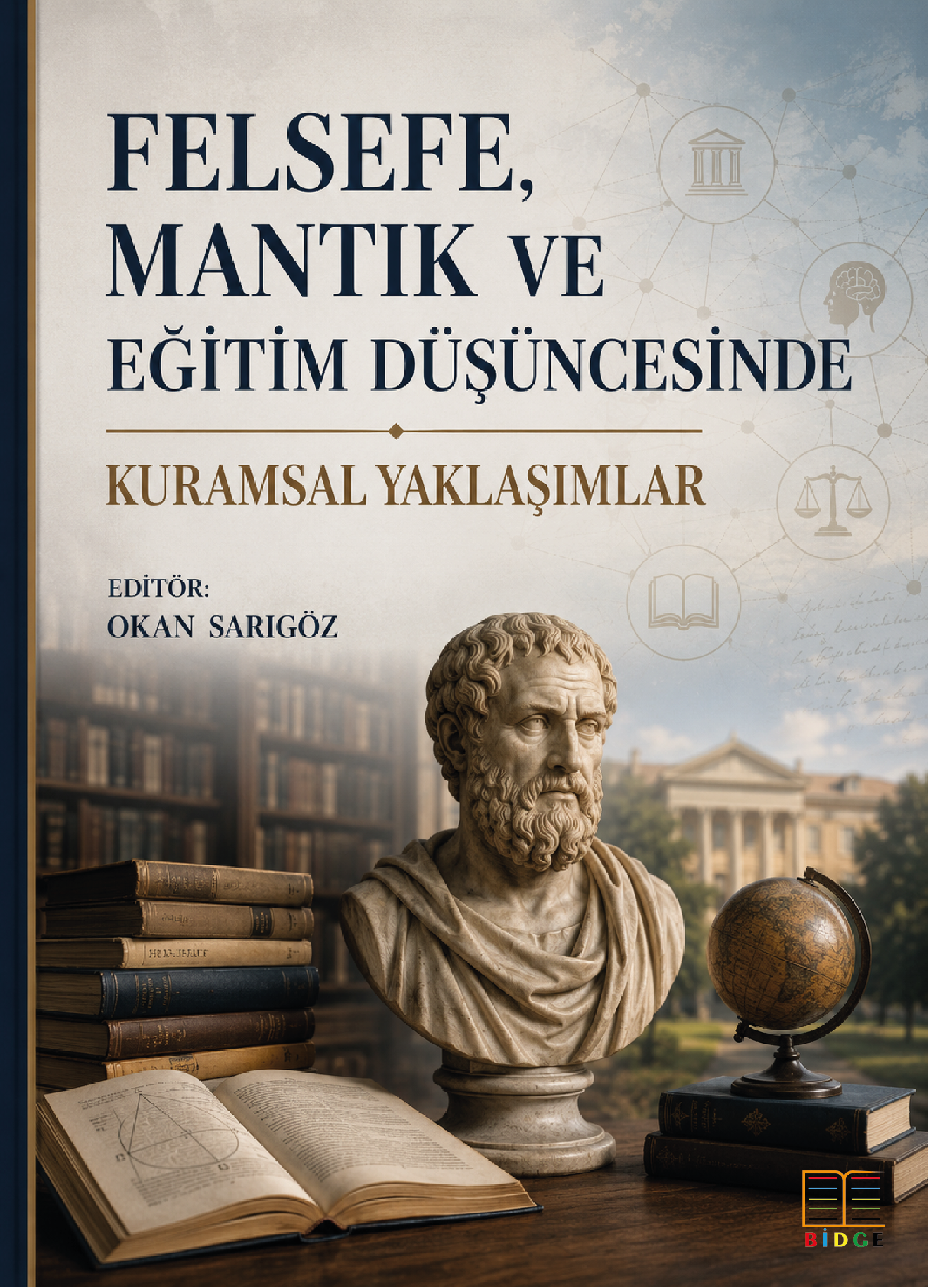
Felsefe, Mantık ve Eğitim Düşüncesinde Kuramsal Yaklaşımlar
Dijital dosya henüz hazır değil
Özet
Bu eser, felsefe, mantık ve eğitim düşüncesinde kuramsal yaklaşımları ele alan kapsamlı bir çalışmadır. Kitabın ilk bölümü, Boethius'un mantığında önermelerin döndürülmesi kavramı çevresinde şekillenmiş olup, mantık tarihindeki yerini, önerme anlayışını ve döndürme ile devrik yapı arasındaki farkları detaylı şekilde tartışmaktadır. Boethius’un mantıksal işlemleri, nicelik ve nitelik açısından önerme yapılarının doğruluk değerleri bağlamında incelenmiş, özellikle tümel tasdik ve tikel inkârın döndürülme koşulları ve ilişkileri üzerine odaklanılmıştır. İkinci bölümde ise John Dewey’in eğitim felsefesi temel alınarak, pragmatizmin etkisiyle şekillenen deneyim ve demokrasi temelli modern eğitim anlayışı incelenmiştir. Dewey’in düşünme, öğrenme süreçleri, demokratik okul modeli ve eleştirel düşünme vurguları, çağdaş pedagojideki aktif öğrenme ve demokratik katılım ilkeleri bağlamında ele alınmıştır. Üçüncü bölümde Kant’ın eğitim felsefesi ve ahlak anlayışı üzerinden modern eğitim sistemi eleştirilmiş ve ahlaki bireyin inşasının önemi vurgu yapılmıştır. Kant’a göre özgürlük, akıl ve ahlaki yasa çerçevesinde gerçekleşen eğitim süreci bireyi sadece bilgiyle değil aynı zamanda ahlaki özerkliğe eriştiren karakter yapısıyla değerlendirir. Eğitim, disiplin, kültür, uygarlık ve ahlakileştirme aşamalarından oluşan süreçle ahlaki bireyi hedefler. Modern eğitim politikalarının Kantçı etik ve normatif temellere daha fazla önem vermesi gerektiği belirtilmiştir. Genel olarak, kitap felsefi temeller ışığında mantık ve eğitim düşüncelerini derinlemesine inceleyerek, tarihsel bağlamda bu alanlardaki kuramsal yaklaşımların anlamını ve çağdaş eğitim sistemlerine katkılarını ortaya koymaktadır.
This work is a comprehensive study addressing theoretical approaches in philosophy, logic, and educational thought. The first chapter focuses on Boethius’ logic, examining his perspective on the conversion of propositions. It discusses his place in the history of logic, his understanding of propositions, and the distinctions between conversion and inversion in propositional structures. The study investigates the truth conditions related to the quantification and quality of propositions, particularly the reciprocal conversion of universal affirmatives and particular negatives. The second chapter explores John Dewey’s philosophy of education, emphasizing his pragmatist influence that shapes a modern educational model grounded in experience and democracy. Dewey’s concepts of reflective thinking, active learning, democratic school culture, and critical inquiry are analyzed within the framework of contemporary pedagogical principles. The third chapter critiques modern education through the lens of Kant’s moral philosophy and educational theory, highlighting the construction of the moral individual. According to Kant, education is a normative process aimed at guiding the individual toward moral autonomy by cultivating reason and ethical principles beyond mere knowledge acquisition. His educational framework involves stages of discipline, culture, civilization, and moralization, with an emphasis on ethical development. The study argues that modern educational policies ought to prioritize Kantian ethical and normative foundations more thoroughly. Overall, the book delves deeply into the philosophical underpinnings of logic and educational thought, revealing their historical significance and relevance to contemporary education systems.
Kitap Bölümleri
3 bölüm · Mevcut sayfa ve DOI kayıtlarıAtıf bilgisi
OKAN SARIGÖZ, İSMAİL KÜÇÜKBAŞOL, SEVGİ KOÇ, SEVGİ KOÇ. (2026). Felsefe, Mantık ve Eğitim Düşüncesinde Kuramsal Yaklaşımlar. Bidge Yayınları. DOI: 10.70269/xnlqjwfoh3cx