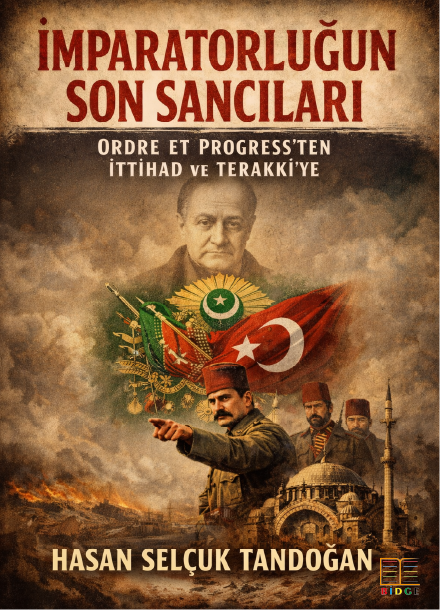
İMPARATORLUĞUN SON SANCILARI ORDRE ET PROGRESS’TEN İTTİHAD VE TERAKKİ’YE
Dijital dosya henüz hazır değil
Özet
Bu eser, Osmanlı İmparatorluğu'nun son dönemindeki modernleşme süreçlerini, bu süreçte pozitivist felsefenin etkisini ve Osmanlı'dan Cumhuriyet'e uzanan toplumsal ve siyasal dönüşümleri kapsamlı bir şekilde ele almaktadır. Pozitivizmin ortaya çıkışı, yapısal değerlendirmesi ve Osmanlı modernleşmesindeki yeri, Yeni Osmanlılar, Jön Türkler ve İttihat ve Terakki dönemlerindeki gelişmeler incelenmiştir. Kitap, Osmanlı düşünce dünyasının dönüşümünde pozitivizmin etkin olduğu alanları; sosyoloji, biyolojik materyalizm, evrim, sosyal Darwinizm ve sosyal mühendislik konularında somut örneklerle açıklamaktadır. Ayrıca, bu dönemde Osmanlı aydınlarının pozitivist ve evrimci düşüncelere olan ilgisi ve bu düşünceler ışığında gerçekleştirdikleri reform talebi, eğitime, hukuka, toplumsal yapıya etkileri detaylandırılmıştır. Osmanlı'daki modernleşmenin temelinde hem gelenekten kopuş hem de Batılı değerlerle uyum sağlama çabası bulunmakta, bu da sosyal ve politik gerilimlere yol açmıştır. II. Meşrutiyet dönemiyle birlikte sosyoloji gibi sosyal bilimlerin yükselişi, Cumhuriyet dönemine hazırlık işlevi görmüştür. Ayrıca, pozitivist yaklaşımın devlet yönetiminde bilimsel yöntem ve uzmanlık gerekliliği üzerinde durması, Osmanlı'dan Cumhuriyet'e doğru otoriter ama bilimsel temellere dayanan bir devlet anlayışının oluşmasına katkıda bulunmuştur. Eserde, Osmanlı'nın sosyal dönüşümünde, pozitivizmin bilgi, eğitim, siyaset ve din alanındaki etkileri ayrıntılı şekilde ortaya konulmuş ve Cumhuriyetin bazı reformlarının temelinde bu felsefi akımın etkisi olduğu vurgulanmıştır.
This work comprehensively examines the modernization processes during the final period of the Ottoman Empire, emphasizing the influence of positivist philosophy and the socio-political transformations from Ottoman times to the Republic era. It discusses the emergence and structural evaluation of positivism, its role in Ottoman modernization, focusing on developments during the Young Ottomans, Young Turks, and Committee of Union and Progress periods. The book concretely illustrates the influence of positivism in Ottoman intellectual life in areas such as sociology, biological materialism, evolution, social Darwinism, and social engineering. It elaborates on Ottoman intellectuals' interest in positivist and evolutionary ideas and how these ideas shaped their demands for reforms impacting education, law, and social structure. The modernization of the Ottoman Empire is portrayed as a dual process of breaking from tradition and adapting to Western values, leading to social and political tensions. The Second Constitutional Era witnessed the rise of social sciences like sociology, serving as preparation for the Republic. Furthermore, positivism's advocacy for scientific methods and expertise in governance contributed to an authoritarian yet scientifically grounded state understanding moving from the Ottoman Empire to the Republic. The text details positivism’s influence on information, education, politics, and religion in Ottoman society and highlights its foundational role in several Republican reforms.
Atıf bilgisi
HASAN SELÇUK TANDOĞAN. (2026). İMPARATORLUĞUN SON SANCILARI ORDRE ET PROGRESS’TEN İTTİHAD VE TERAKKİ’YE. Bidge Yayınları. DOI: 10.70269/9zqb52w2gneb