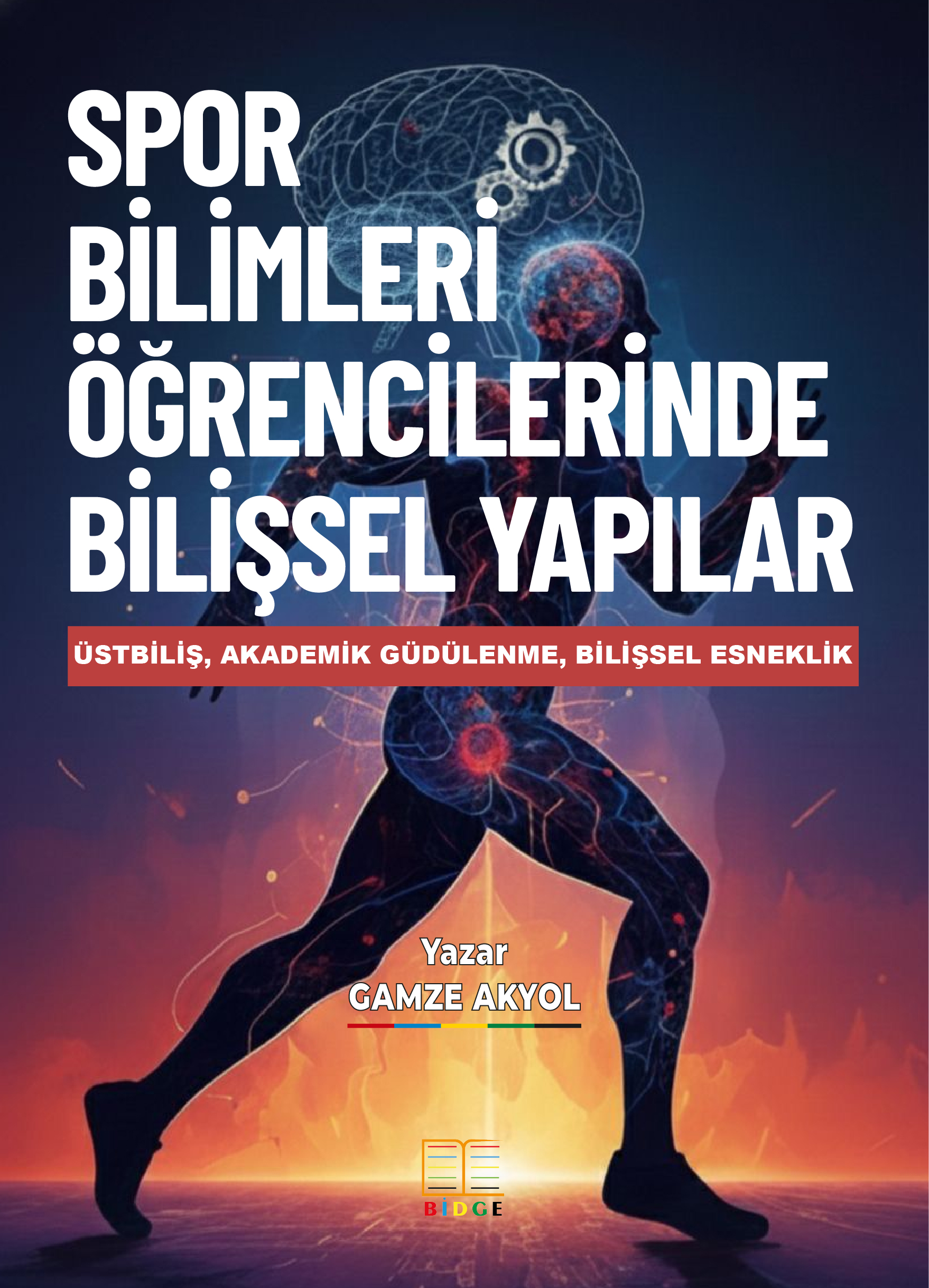
SPOR BİLİMLERİNDE ÖĞRENCİLERİNDE BİLİŞSEL YAPILAR: ÜSTBİLİŞ, AKADEMİK GÜDÜLENME, BİLİŞSEL ESNEKLİK
E-kitap kirala
Çevrim içi okumaOkuma sürenizi seçin. Erişim, ödeme onayından sonra başlar.
Giriş yaparak devam edebilirsiniz. Kiralama yalnızca çevrim içi okuma içindir; indirme hakkı içermez.
Özet
Bu kitap, spor bilimleri fakültesi öğrencilerinin bilişsel yapıları üzerine odaklanmakta ve özellikle üstbilişsel farkındalık, akademik güdülenme ve bilişsel esnekliğin etkileşimini incelemektedir. Yazar Gamze Akyol tarafından hazırlanan çalışma, öğrencilerin hem akademik hem de sportif rolleri ile karşılaştıkları karmaşık bilişsel süreçlerin nasıl yönetildiğine dair derinlemesine bir analiz sunmaktadır. Üstbiliş, bireyin kendi bilişsel süreçlerinin farkında olup bu süreçleri planlama, izleme ve değerlendirme yeteneği iken; bilişsel esneklik ise değişen koşullara adaptasyon, yeni stratejiler geliştirme ve alternatif çözüm yolları üretme becerisidir. Akademik güdülenme ise öğrencilerin öğrenme süreçlerine aktif katılımını ve motivasyonunu ifade eder. Araştırma, Türkiye'deki spor bilimleri fakültelerinde eğitim gören 418 öğrenci ile gerçekleştirilmiş olup, nicel yöntemlerle veri toplanmıştır. Bulgular, öğrencilerin üstbilişsel farkındalık ve bilişsel esneklik düzeylerinin akademik güdülenmelerini anlamlı derecede yordadığını göstermektedir. Cinsiyet, yaş, spor türü ve not ortalaması gibi demografik faktörlerin de bilişsel yapılar ve güdülenme üzerinde etkili olduğu gözlemlenmiştir. Üstbilişsel farkındalık, özellikle akademik motivasyonun en güçlü belirleyicisi olarak öne çıkarken, bilişsel esneklik de anlamlı bir rol oynamaktadır. Sonuçta, spor bilimleri öğrencilerinin hem teorik derslerde hem de uygulamalı antrenman süreçlerinde başarılı olabilmeleri için bilişsel ve üstbilişsel becerilerinin desteklenmesi gerekmektedir. Kitap, akademik güdülenme, bilişsel esneklik ve üstbiliş ilişkisi üzerine literatüre önemli bir katkı sağlamaktadır ve spor bilimleri alanında eğitim programlarının geliştirilmesine ışık tutmaktadır.
This book focuses on the cognitive structures of students in sports sciences faculties, particularly examining the interplay between metacognitive awareness, academic motivation, and cognitive flexibility. Authored by Gamze Akyol, the study provides an in-depth analysis of how students manage their complex cognitive processes amid the dual demands of academic and athletic roles. Metacognition refers to an individual's awareness and regulation of their own cognitive processes, including planning, monitoring, and evaluating these processes. Cognitive flexibility relates to adapting to changing circumstances, developing new strategies, and generating alternative solutions. Academic motivation reflects students' active engagement and persistence in learning processes. The research involved 418 students from sports science faculties across Turkey, employing quantitative methods for data collection. Findings indicate that students’ levels of metacognitive awareness and cognitive flexibility significantly predict their academic motivation. Demographic factors such as gender, age, type of sport, and GPA also influence cognitive capacities and motivation. Metacognitive awareness emerged as the strongest predictor of academic motivation, with cognitive flexibility contributing meaningfully as well. The results suggest that supporting both cognitive and metacognitive skills is essential for sports science students to succeed in theoretical courses and practical training. The book provides a valuable contribution to the literature on the interaction between academic motivation, cognitive flexibility, and metacognition, offering insights for the development of educational programs in sports sciences.
Atıf bilgisi
GAMZE AKYOL. (2025). SPOR BİLİMLERİNDE ÖĞRENCİLERİNDE BİLİŞSEL YAPILAR: ÜSTBİLİŞ, AKADEMİK GÜDÜLENME, BİLİŞSEL ESNEKLİK. Bidge Yayınları. DOI: 10.70269/76997gpgb95j